What Are Ship Passageway Lights? Parts, History, and Real Uses
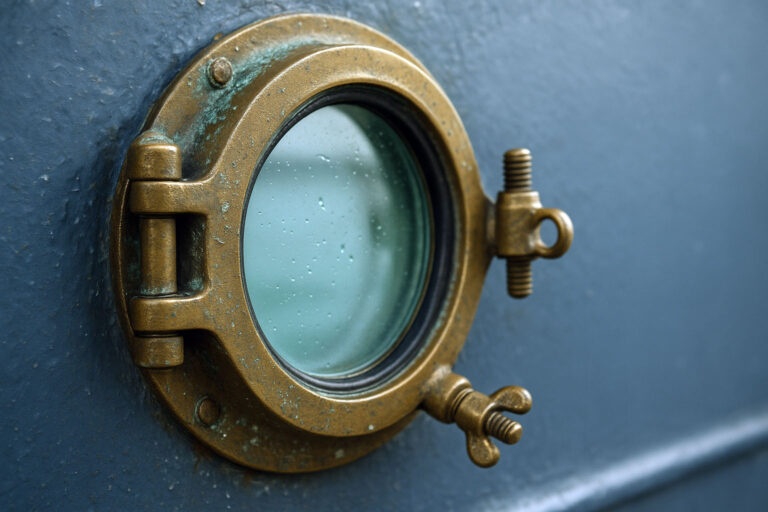
The first time I unloaded a crate of passageway lights from a scrapped Greek freighter, my hands turned green from the old verdigris. I sat on the workshop floor and counted forty of them. Each one had its own story stamped in salt and dents.
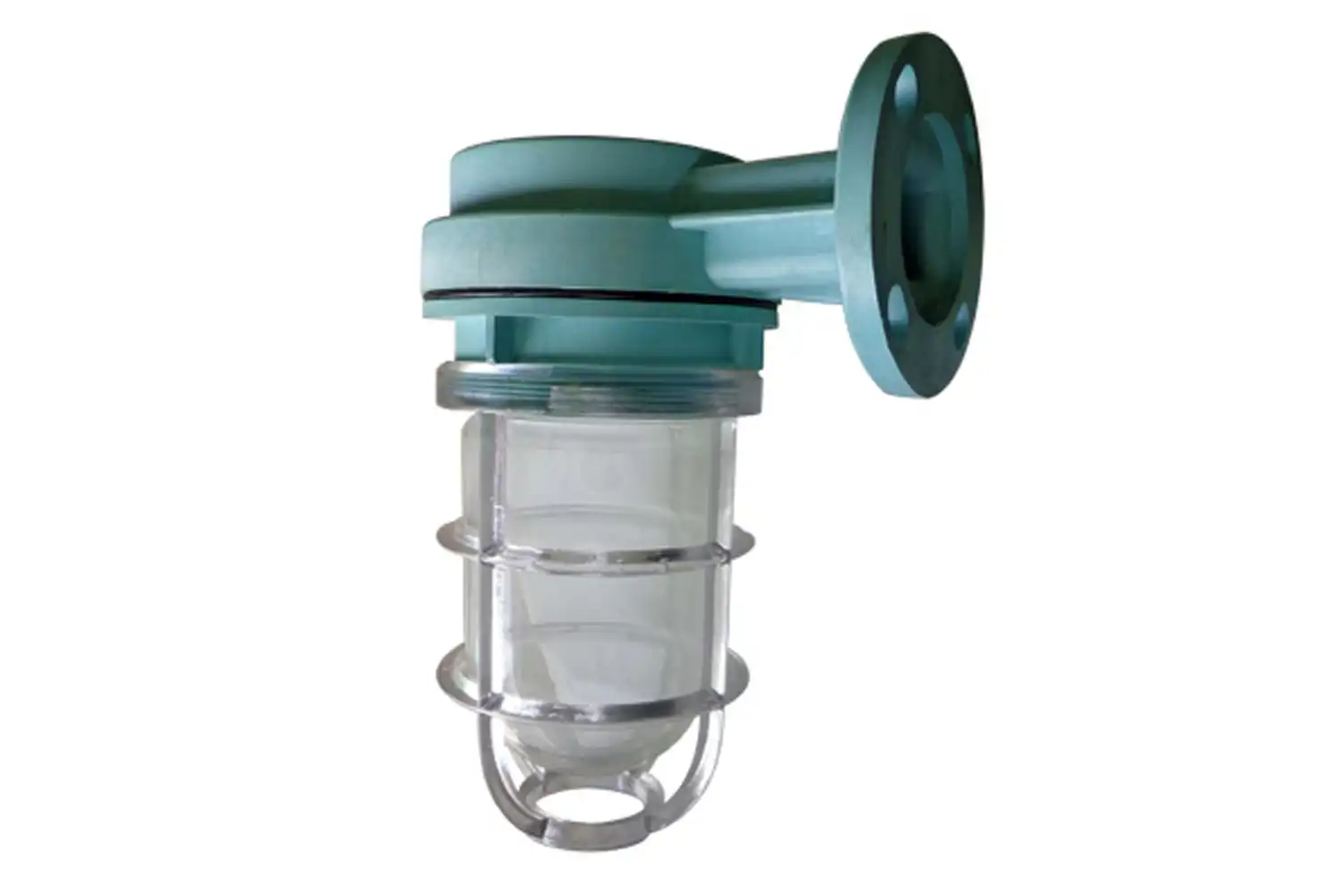
Ship passageway lights are sturdy brass or bronze fixtures that once lit the narrow corridors inside merchant and naval vessels. They mount flat against bulkheads, use thick glass globes, and protect the bulb with a heavy metal cage. Sailors relied on them for safe movement below deck.
Where Passageway Lights Live on a Ship
Passageway lights belong inside the ship. They line the corridors that connect cabins, mess halls, engine rooms, and storage compartments. Crews call those corridors “passageways” instead of hallways.
Most of mine come from cargo ships built between 1940 and 1980. A few came off old fishing trawlers and one rare batch from a British Navy tender.
What Makes a Ship Passageway Light Different
This fixture has a specific job. It throws steady light into tight, low spaces without sticking out into a sailor’s shoulder. The body sits flush to the wall so nobody knocks their head.
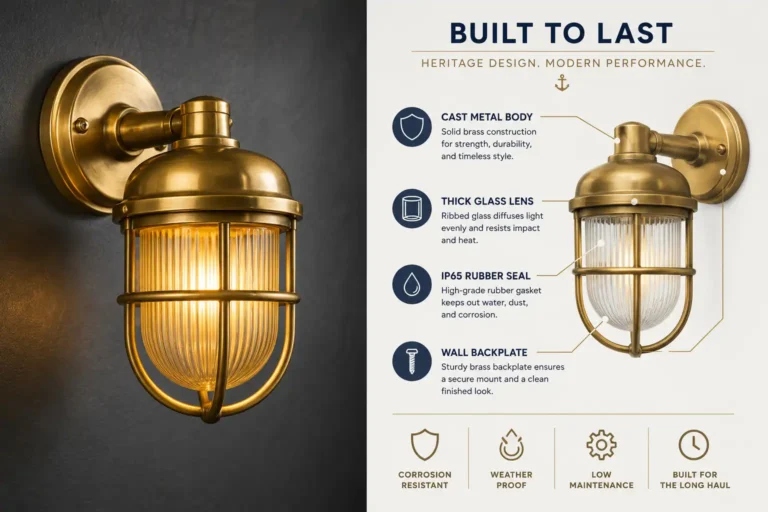
The build is heavy. The base is cast brass or bronze, sometimes aluminum on later builds. A thick glass globe screws into the base. A metal cage wraps the glass to stop accidents from rolling cargo or swinging tools.
Common Parts You Will Find
Every fixture I handle has the same four parts.
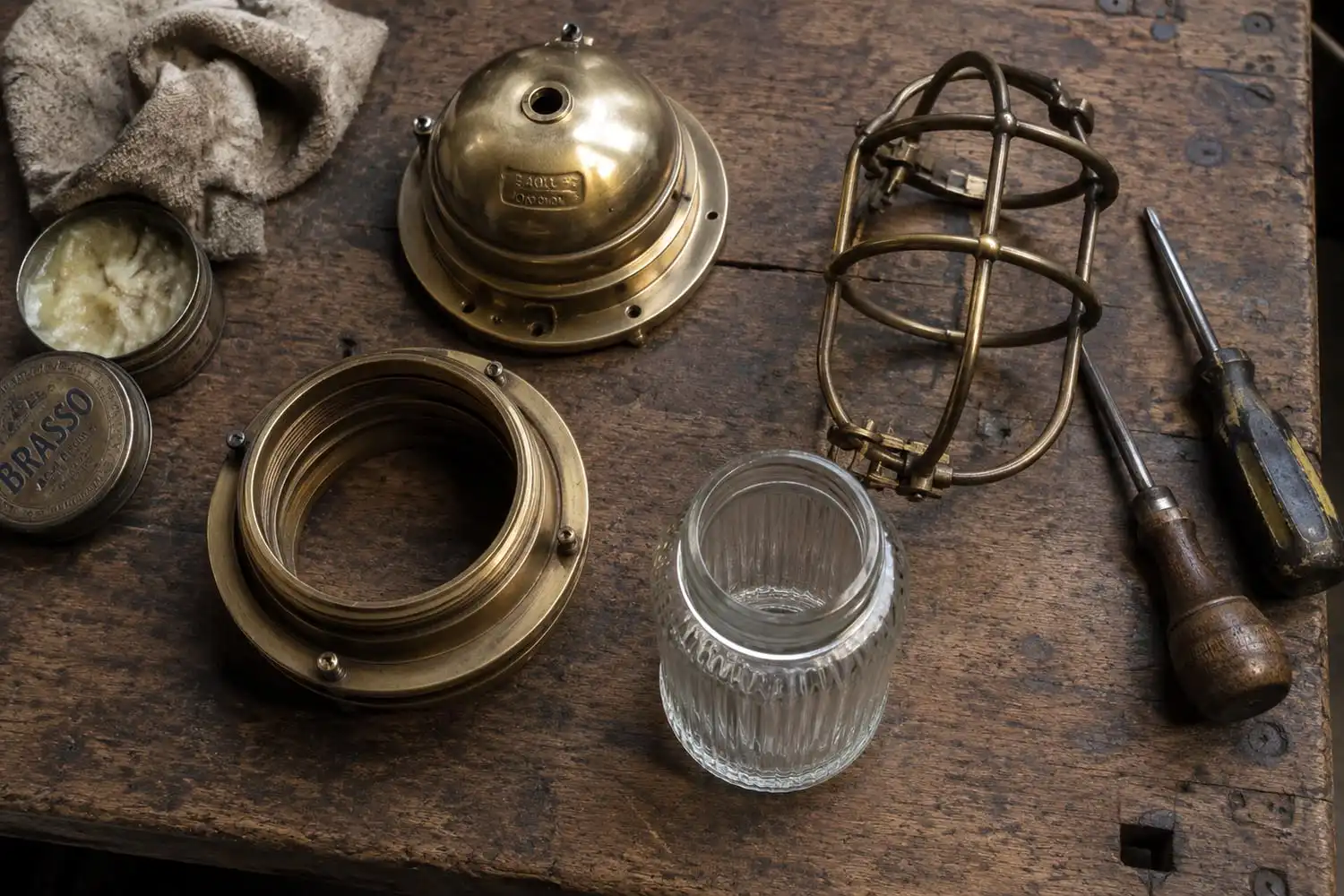
The backplate sits against the bulkhead. It holds the wiring and bolts to the steel wall. The body cups the bulb socket. The glass globe screws in with coarse threads, usually clear, ribbed, or frosted. The cage protects the glass from impact, built with three, four, or six bars.
Materials and Why They Matter
Brass is the classic choice. Bronze shows up on older British and German ships. Aluminum became common after the 1960s because it weighs less.
I prefer brass for restoration. It cleans up well and ages with character. My write-up on choosing the right metal for coastal homes covers the trade-offs between these three.
Why Sailors Needed Them
Below deck, daylight does not reach. Passageways are narrow, sometimes only thirty inches wide. A swinging pendant would be dangerous.
So designers built lights that hug the wall. The cage stops the glass from shattering when a sailor brushes past with a toolbox. The thick glass holds up against heat, vibration, and saltwater spray.
How They Differ From Bulkhead Lights
People mix these up all the time. A bulkhead light is the wider family, used on exterior decks and engine rooms. A ship passageway light is the smaller, interior cousin.
If you want the side-by-side measurements, my breakdown on bulkhead and passageway fixture differences spells it out.
How To Spot an Authentic One
Look at the weight first. A real piece feels solid in your hand. A reproduction feels hollow.
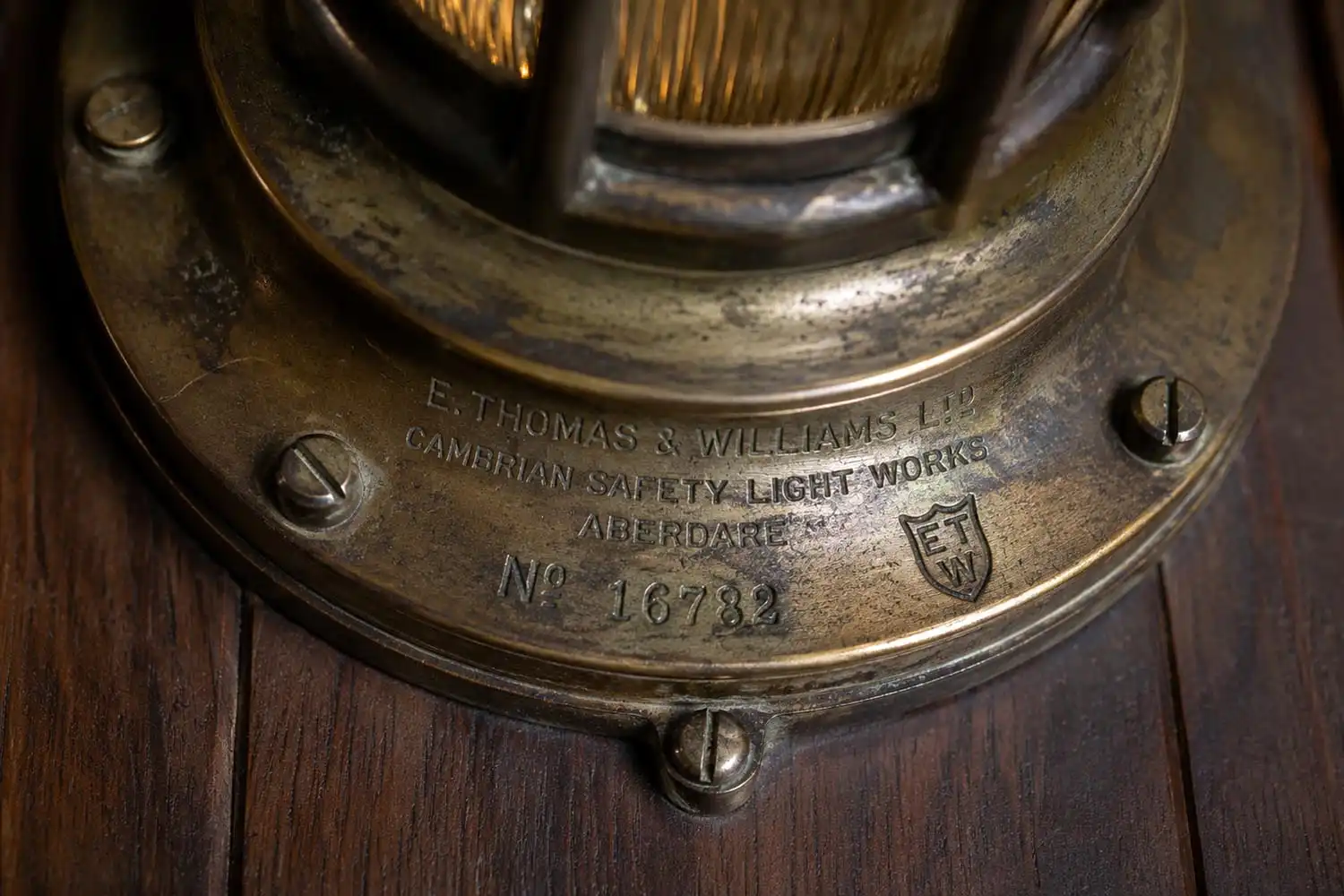
Check the threads on the globe. Old fixtures have wide, hand-cut threads. New ones have tight, machine-cut threads. Hunt for stamped builder marks on the back plate. Names like Daeyang, Pauluhn, Wiska, and Perko show up often.
Look for honest wear. Real ship lights have salt pitting, paint layers, and bolt scars. If everything looks too perfect, walk away.
Where People Use Them Today
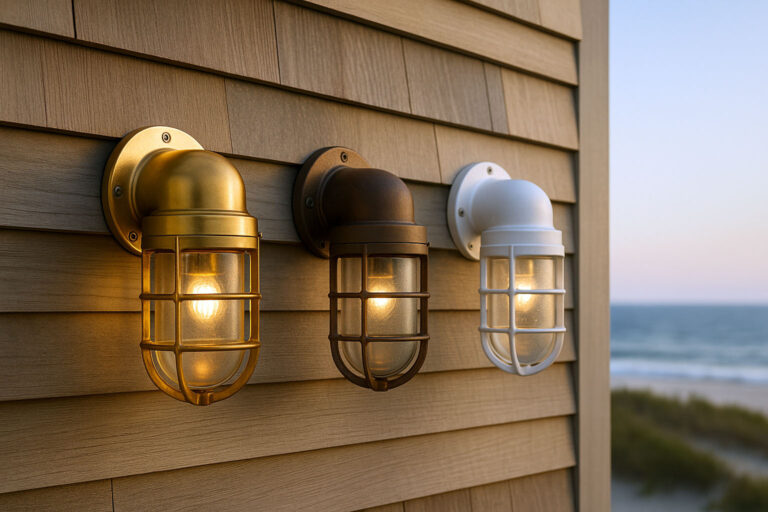
My customers mount them in lots of places. Above kitchen counters and stoves, where thick glass handles steam. Inside hallways and stairwells where compact size fits tight walls. On porches and covered patios where brass holds up to salt air. Inside bars, cafes, and seafood spots that want a true ship mood.
I put together a short guide on selecting nautical fixtures for restaurants that covers placement and wiring.
Quick Restoration Basics
Most lights I sell get cleaned, rewired, and tested before shipping. We strip old paint with hand tools. We never use harsh chemicals on antique brass.
If you buy one untouched, send it to a local electrician for new wiring. The original cloth-covered wire is not safe for modern outlets. My notes on the right way to clean old brass ship fixtures explain the polishing step.
What To Pay
Prices vary widely. A small aluminum fixture from the 1970s runs $80 to $150. A solid brass one from the 1940s with original glass can fetch $400 or more. Rare British Navy pieces climb past $800. Condition, maker, and provenance set the price.
Final Thoughts
Ship passageway lights carry a story. Every dent came from someone’s elbow. Every scratch came from a passing crate. When you hang one in your home, you keep a small piece of sea life alive.
Find a real one. Restore it carefully. Use it every day. That is the best honor an old ship fixture can get.
Good luck with your search.