What Is a Bulkhead Light Used For? Ship and Home Uses
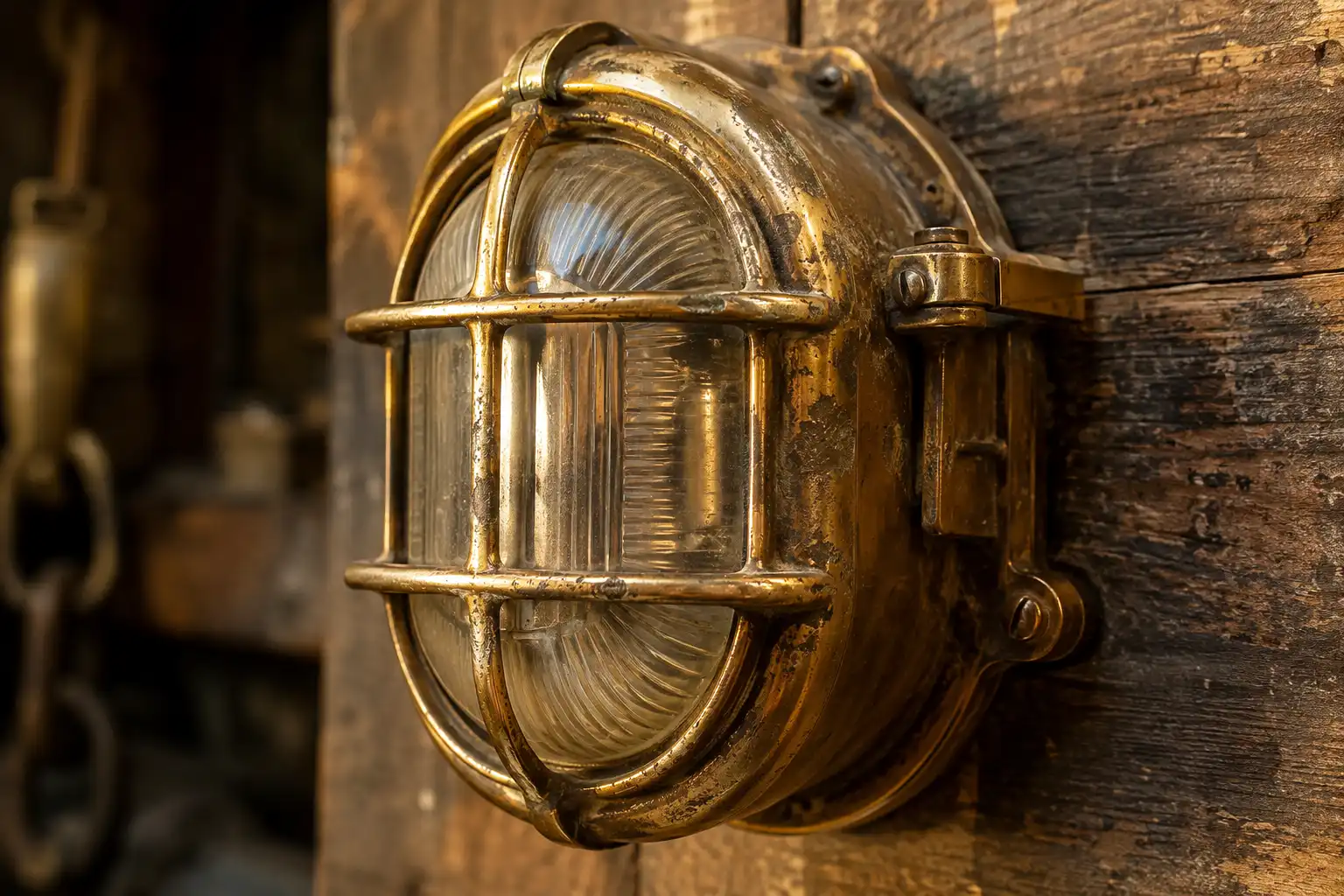
Last month I pried a small brass fixture off a steel wall inside a bulk carrier we were breaking down. Round face, thick glass, a heavy cage bolted over the front. A customer watched me clean it up and asked what the thing was actually for. Fair question. That fixture spent forty years lighting a cramped corridor at sea. Now it hangs by someone’s front door in California. Same light, brand new job.
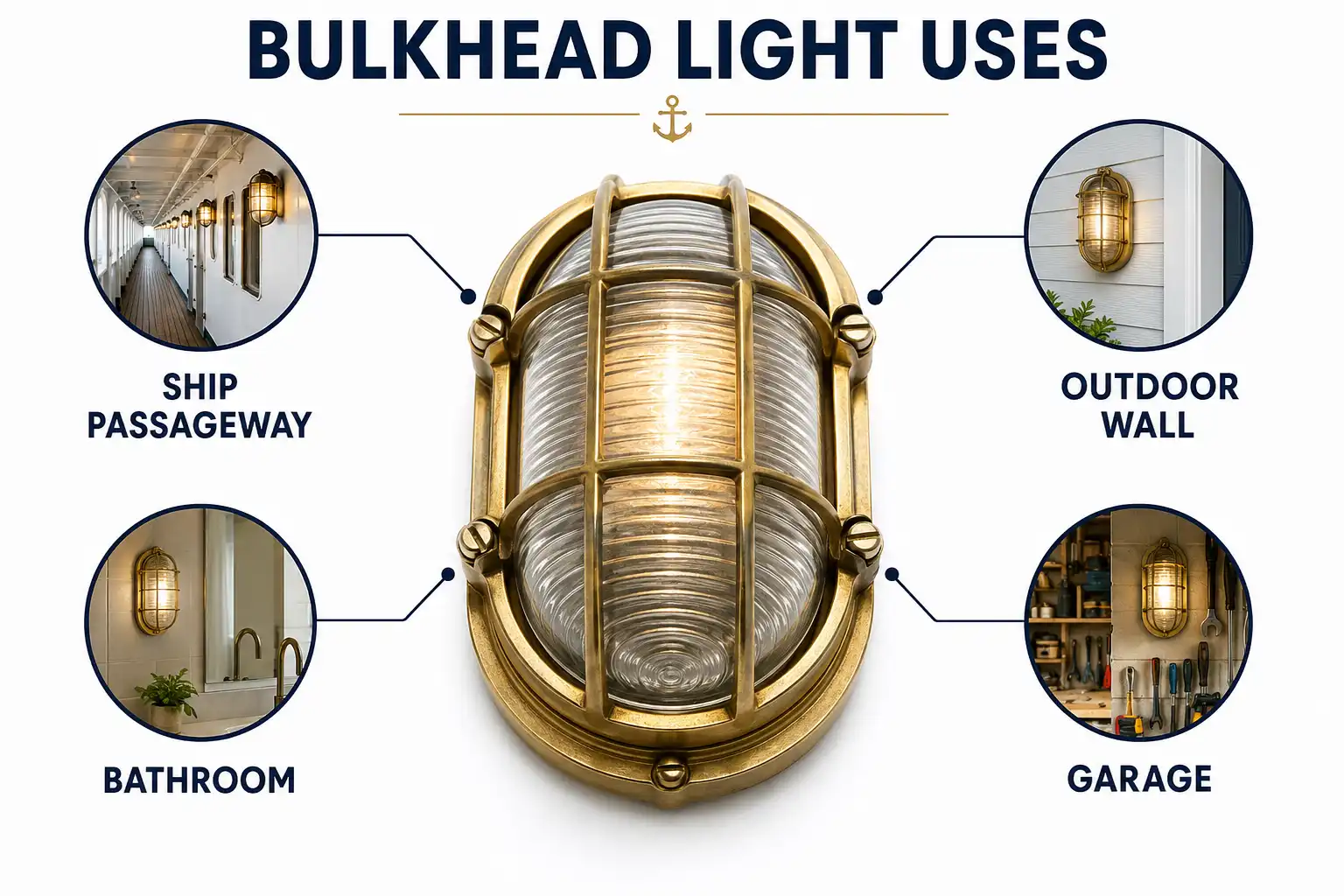
A bulkhead light is a tough, sealed fixture used to light spots exposed to water, dust, and knocks. On a ship it lights passageways, engine rooms, and decks. At home and in industry, people use it for outdoor walls, garages, bathrooms, and stairwells.
Also know: How to Install Bulkhead Lights: A Simple Step by Step Guide
What a Bulkhead Light Is Used For on a Ship
The name comes straight from the ship. A bulkhead is a vertical wall that splits a hull into separate compartments. Crews bolted rugged lights onto those walls, so the fixtures took the same name. If you want the full background on how these fixtures are built, I wrote a separate piece on that.
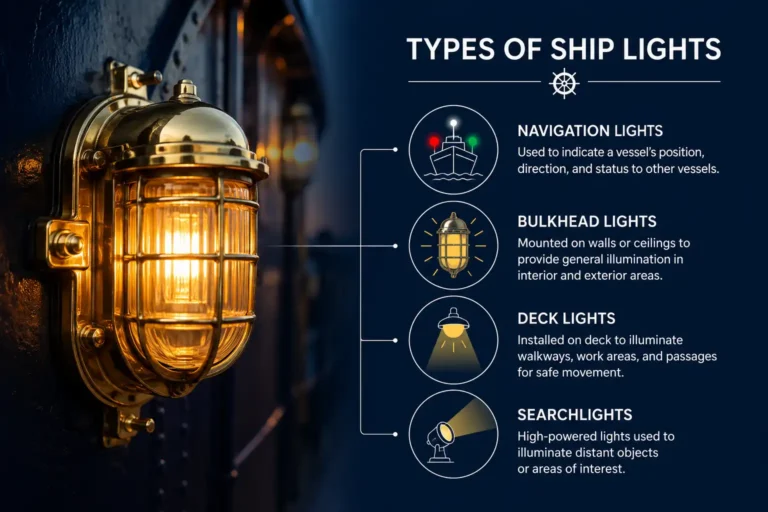
On a working vessel, a bulkhead light handles the spots where a normal lamp fails fast. Think constant damp, salt air, and steel that shakes with the engine.
I pull them from a few key places:
- Passageways and corridors below deck
- Engine rooms and machinery spaces
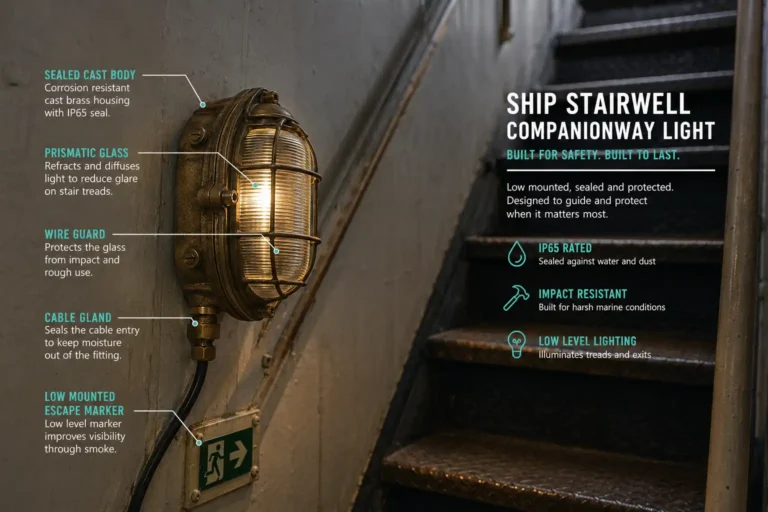
- Stairwells and companionways
- Exterior decks and the superstructure
The cage over the glass isn’t for looks. In tight quarters, crew bump into everything. That guard stops a stray elbow or a swinging tool from smashing the globe. It also helps to know how they differ from passageway fixtures, since the two get mixed up a lot.
What Bulkhead Lights Are Used For Today
Once these lights left the shipyard, homeowners and builders found plenty of uses. The build that survived the ocean handles a back garden with ease.
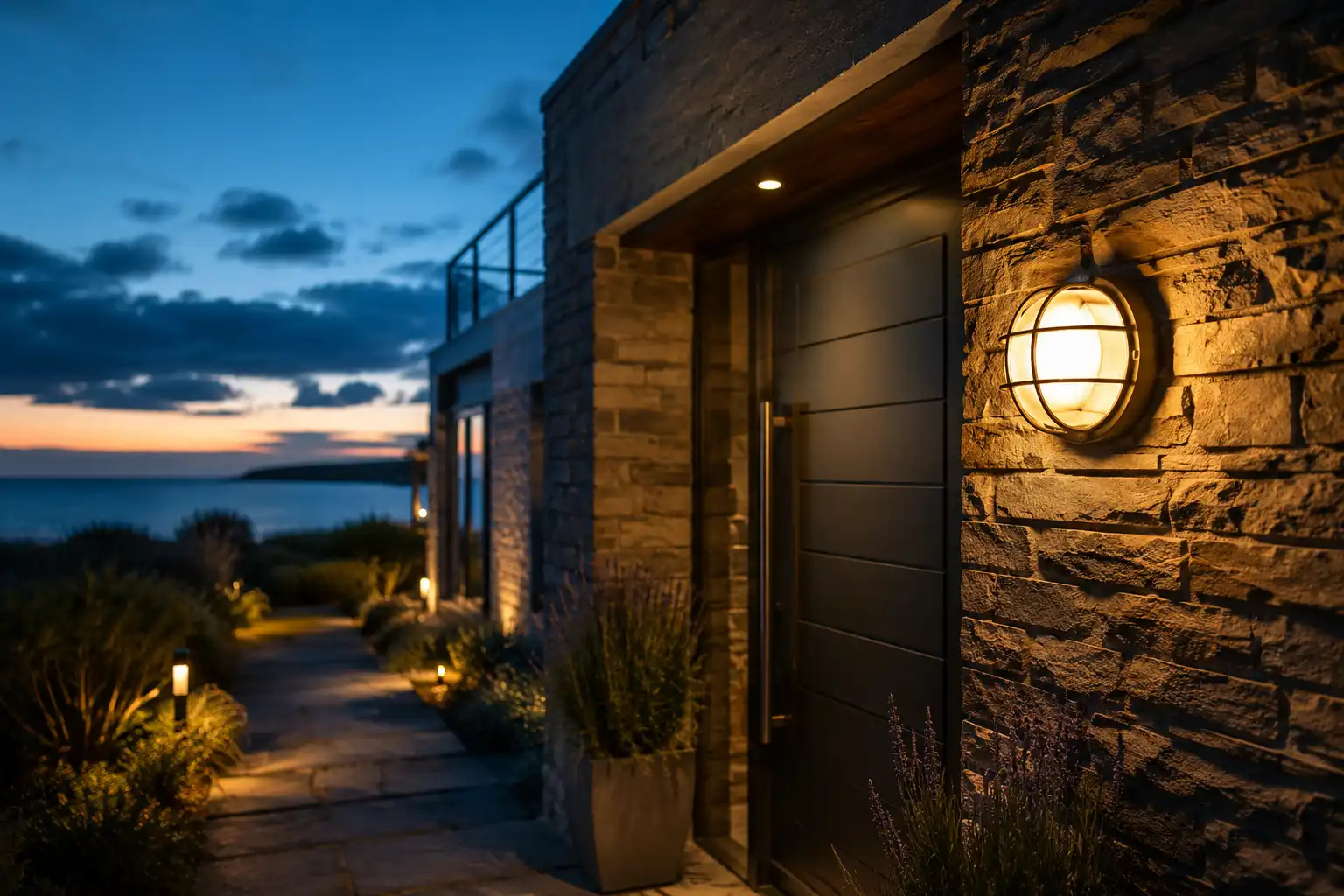
Outdoor and Security Lighting
This is the most common use I see. People mount them beside front doors, on garage walls, and along paths. The steady output makes a yard safer and puts off anyone with bad intentions.
Bathrooms, Hallways, and Stairwells
Sealed fixtures suit damp rooms. A waterproof version works well in a bathroom or a basement. The flat, compact shape also lights narrow hallways and stairs without eating into the space.
Garages, Warehouses, and Workshops
Any spot with dust, moisture, or the risk of a knock is a good match. Garages, loading docks, and workshops all lean on them for plain, dependable light.
Nautical Style Indoors
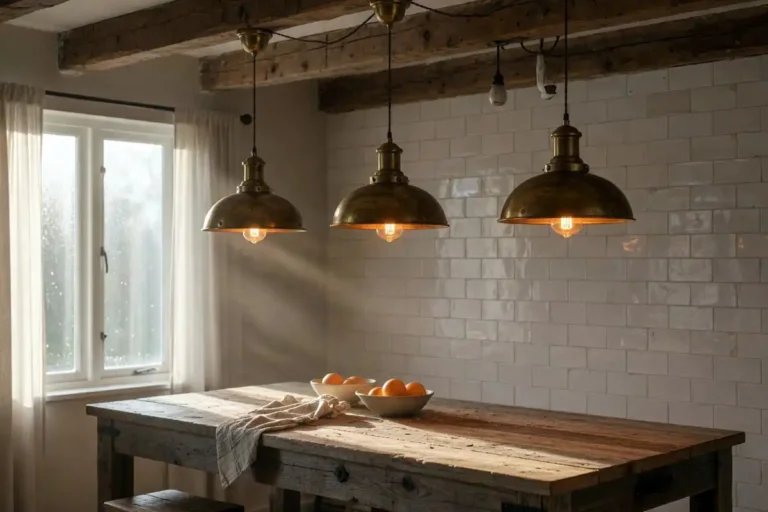
Plenty of my customers just love the look. A salvaged brass fixture brings real maritime history into a kitchen, bar, or hallway. If that’s your plan, it helps to know the round, oval, and rectangular styles you’ll come across before you buy.
Why Bulkhead Lights Handle Tough Spots
Three things make them last. First, the metal. Salvaged versions use brass, bronze, or aluminum, which shrug off corrosion. Picking the right metal for salt air matters a lot if you live near the coast.
Second, the seal. A gasket keeps water and dust out of the wiring. Modern units carry an IP rating, and IP65 means dust-tight with protection against water jets.
Third, that cage. It shields the glass from impact, which is exactly why they earned their keep at sea. A quick wipe now and then keeps the brass bright over the years.
Final Thought
A bulkhead light started as hard-working ship gear and became one of the most useful fixtures you can own. It lights the spots other lamps can’t handle, indoors or out.
Buy a salvaged one and you should expect small dents and honest wear. That’s the history showing. Enjoy it.