Indoor vs. Outdoor Bulkhead Lights: Key Differences
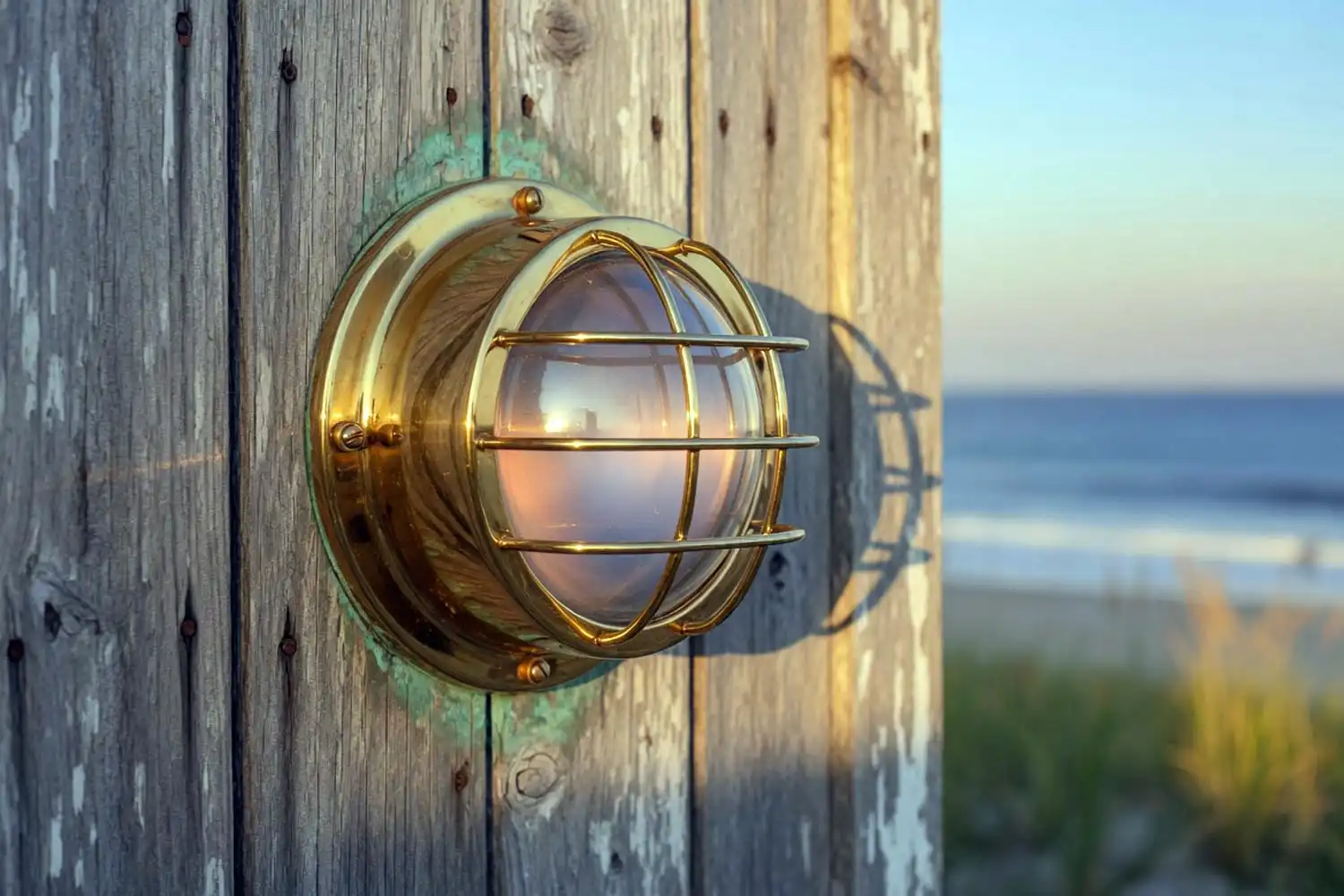
A customer in Florida emailed me last spring, upset. He had mounted a pretty cast brass bulkhead light on his beach house porch. Six months later, the gasket gave up. Water sat inside the bowl. The bulb socket corroded green. The fixture was beautiful. It was also built for indoors. I felt bad. But honestly, this mix-up happens more than you would think. So let me clear it up.
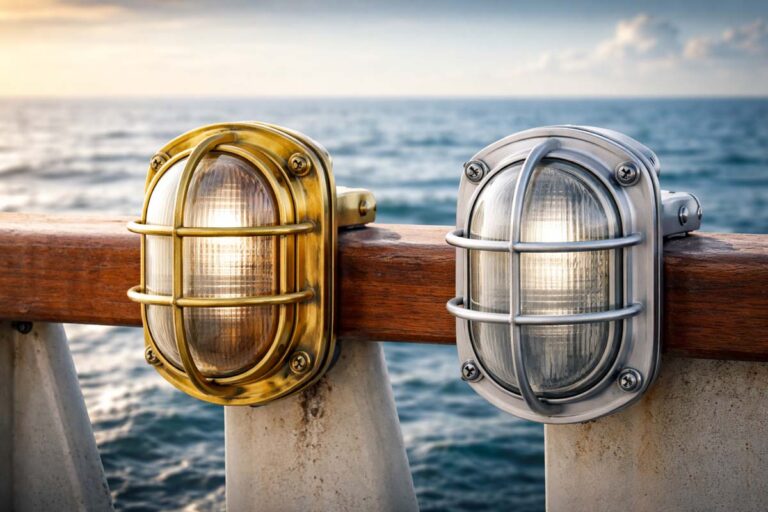
Outdoor bulkhead lights have sealed gaskets, higher IP ratings, and corrosion-resistant finishes built to handle rain, humidity, and salt air. Indoor bulkhead lights skip the heavy waterproofing and focus on warm light and a friendlier price. The two look similar, but their guts are different.
What Separates Indoor vs. Outdoor Bulkhead Lights
The shape fools people. Both versions wear that classic round cage and oval backplate. The differences sit in the seals, the wiring, and the metal.
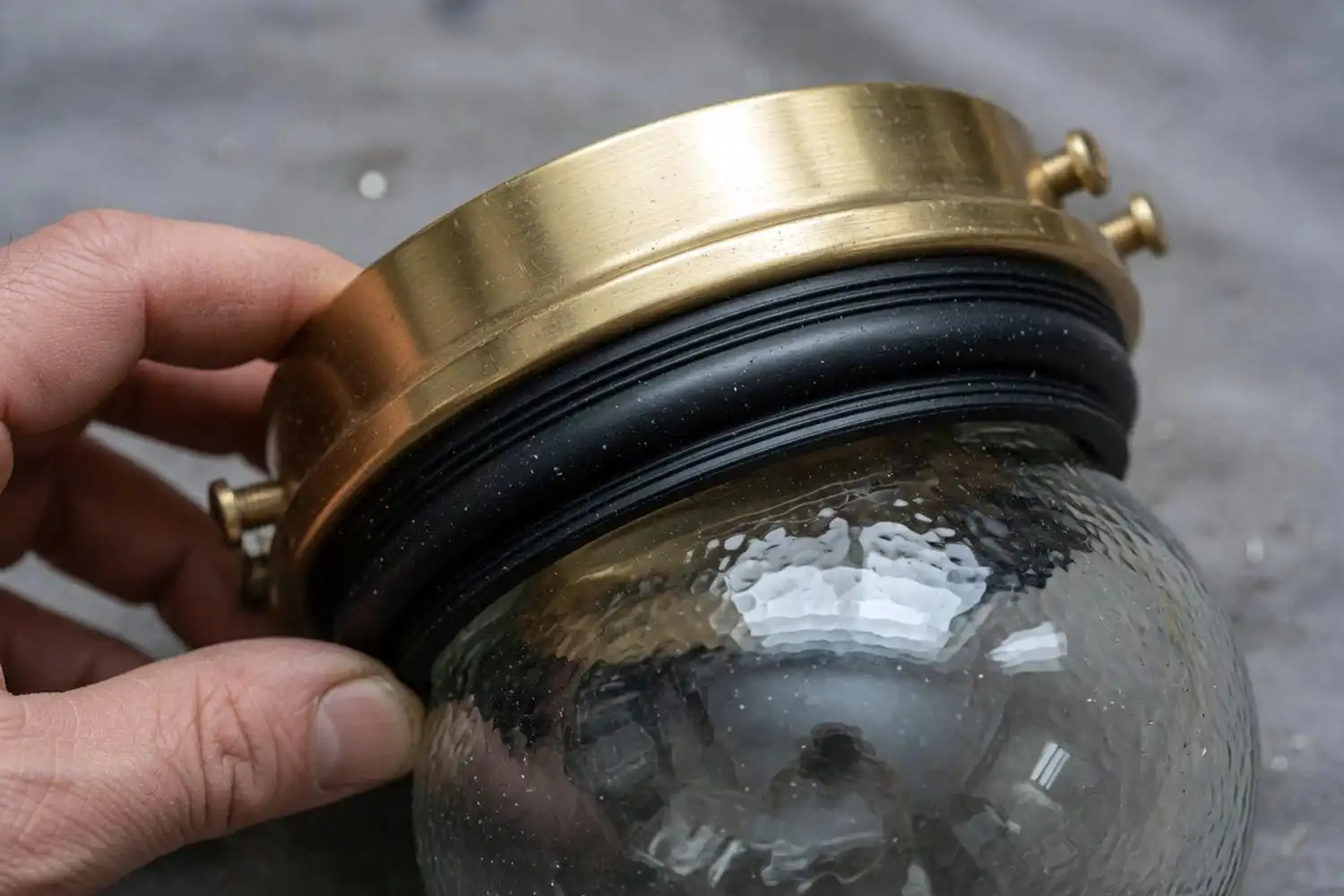
Outdoor units use thick rubber or silicone gaskets between the glass and the body. Indoor units often skip the gasket entirely. Outdoor wiring is rated for damp locations. Indoor wiring is not.
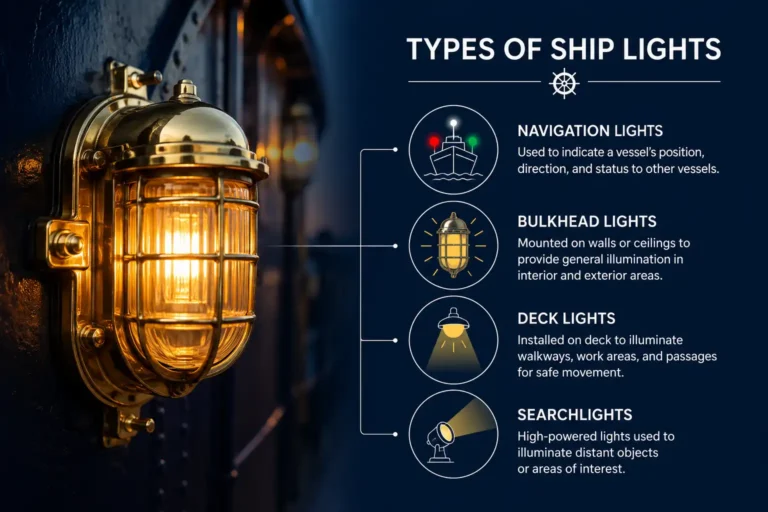
If you want a deeper look at the family of styles, my guide on the main variations of bulkhead fixtures covers cage, oval, and round versions in detail.
The IP Rating Tells the Truth
IP ratings tell you what a fixture can handle. The first number covers dust. The second covers water.
Indoor versions usually sit at IP20 or IP44. Fine for a kitchen or hallway. Useless on a coast.
Outdoor units start at IP54 and climb to IP65 or higher. That second number is what keeps your fixture alive in a Bangladesh monsoon or a Cape Cod nor’easter. Always check the rating before you buy.
Material Matters More Outside
Indoors, almost any finish works. Brass, bronze, aluminum, even painted iron. Humidity is mild. Salt is absent.
Outdoors, the metal fights for its life. Salt air eats cheap alloys in months. I always tell coastal buyers to read up on the metal options for seaside homes before they spend. Solid brass and bronze handle salt spray well. Aluminum holds up if it is marine grade.
Painted finishes peel outside. Raw brass develops a patina. Polished brass demands constant care. Pick what suits your patience.
Where Each One Shines
Indoor fixtures look great in kitchens, basements, hallways, garages, stairwells, and bathrooms with good ventilation. They give that ship cabin feel without the weatherproof bulk.
Outdoor fixtures belong on porches, garden walls, dock posts, boathouses, garage exteriors, and coastal patios. They handle wind, rain, snow, and sun. A well-built one lasts decades.
If your space sits somewhere in between, like a covered porch or screened lanai, go outdoor rated. Better safe than sorry. I learned that from my Florida customer.
The Bulb Question
Indoor units take standard incandescent or LED bulbs. Easy.
Outdoor units need bulbs rated for damp or wet locations. Heat dissipation matters too. A sealed outdoor fixture traps heat. A bulb that runs too hot will fail fast or crack the glass globe. Stick with LEDs rated for enclosed outdoor use.
Mounting Surface and Backplate
Indoor walls are flat and dry. You can mount almost anything almost anywhere. Drywall, wood paneling, tile, plaster, all of it works.
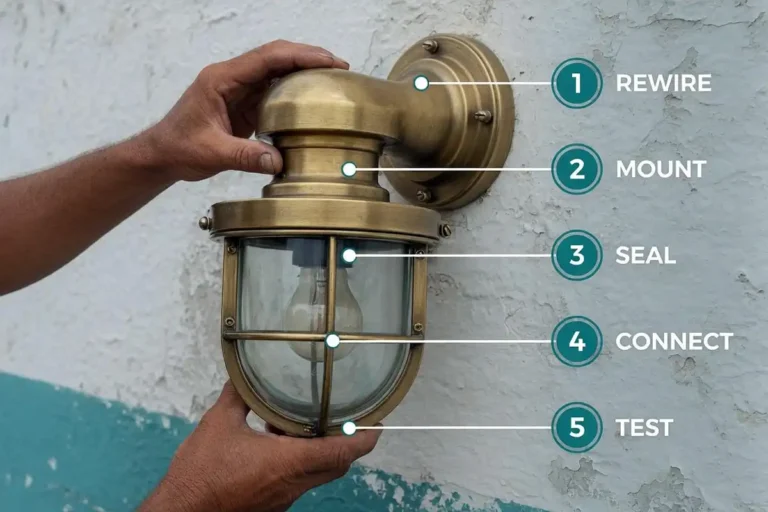
Outdoor mounting is fussier. The backplate must seal against the wall. Caulk the top and sides, leave the bottom open so trapped water can drain. My piece on backplate sizes and mounting patterns has the measurements you need.
Common Mistakes I See
Three keep repeating in customer emails.
First, people use indoor fixtures outside because they like the price. The fixture dies in a year.
Second, people use outdoor fixtures inside and complain about the heavy gasket look. Not a real problem, just mismatched expectations.
Third, people forget to maintain the seals. Even a great outdoor fixture needs a gasket check every few years. If you see water inside the bowl, act fast. My write-up on fixing water ingress in old deck lamps walks through the repair.
Cost Difference
Indoor bulkhead lights run cheaper. Less material, no gasket system, simpler wiring.
Outdoor versions cost more but earn it. Marine grade brass, silicone seals, weather rated wiring, and tested IP ratings add up. If you are buying for a coastal home, never cut corners here. The fixture pays for itself in saved repair costs.
Final Thoughts
The shape is the same. The job is different. If your fixture sits anywhere it can get wet, buy outdoor rated. If it lives indoors with steady climate control, indoor is fine and easier on the wallet.
When you are unsure, send me a photo of where you want to mount it. I will tell you what fits. That is the part of this work I enjoy most.
Good luck with your project.